

The Via Francigena is one of the most important historical routes in Europe. For centuries, it connected Canterbury with Rome, leading pilgrims, merchants, and travelers through diverse cultural landscapes. Today, this traditional pilgrimage route in Italy is experiencing an impressive renaissance – as a conscious alternative to hectic mass tourism.
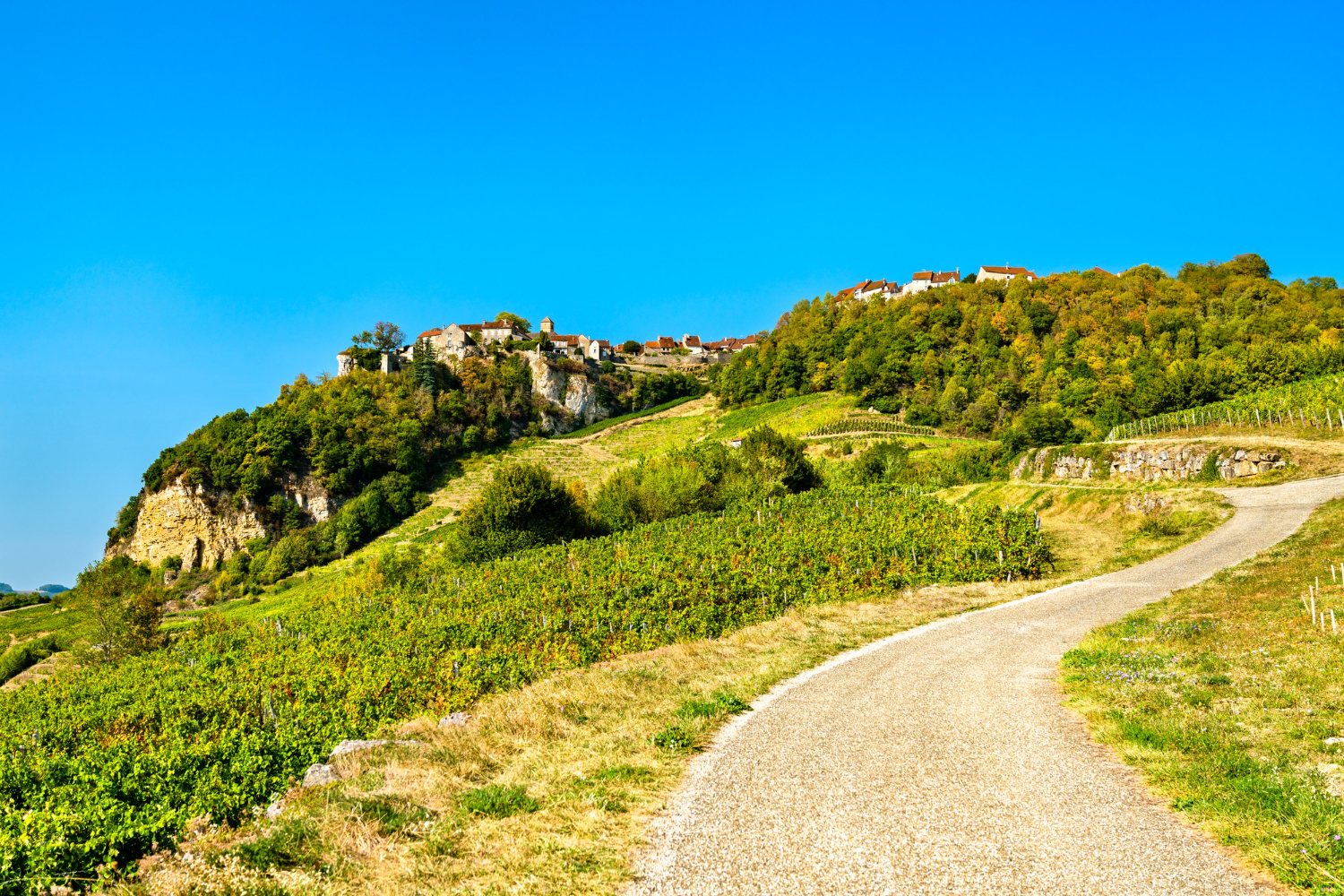
Those who hike the Via Francigena are not only moving geographically, but also historically. The route crosses Tuscany and Lazio, passing medieval villages, Romanesque churches, and rolling hills. Cypress avenues, vineyards, and small towns built of natural stone characterize the landscape.
Compared to the heavily frequented Camino de Santiago, the Via Francigena is considered a quiet alternative to the Camino de Santiago in Italy. It offers space for silence, encounters, and a more intense experience of nature. This form of pilgrimage in Italy is particularly attractive for travelers from German-speaking countries: well-organized, yet still authentic and less crowded.
The Via Francigena is a prime example of Slow Travel in Italy. The landscape is consciously experienced step by step. Small inns, agriturismos, and regional cuisine accompany the route. This creates not only an intense travel experience but also a direct contribution to local economic development – an important aspect of a sustainable holiday in Italy.
But the fascination of this route lies not only in its history or landscape. It's the pace. The walking itself. The conscious reduction to the essentials.
The Via Francigena is more than just a hiking trail.
It is an invitation to experience Italy with time, depth, and mindfulness.