
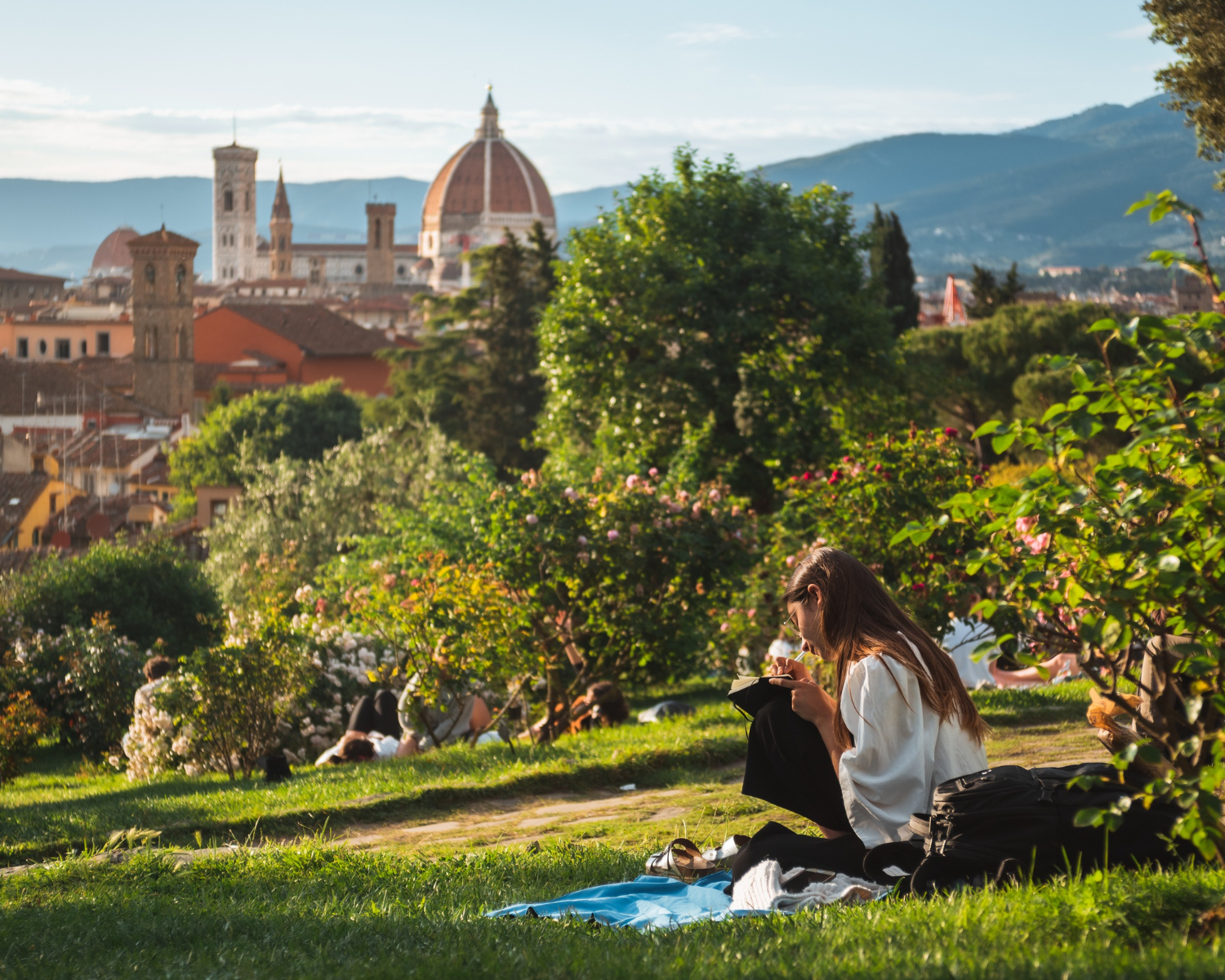
Italy is one of the most biodiverse countries in Europe. Its exceptional biodiversity ranges from alpine mountain regions to Mediterranean coastal landscapes and shapes not only nature, but also culture, agriculture, and cuisine.
But biodiversity also plays a central role in tourism. A future-proof, sustainable tourism industry in Italy is based on diversity: different regions, local traditions, regional products, and individual travel styles. It is precisely this diversity that enables authentic travel experiences that go far beyond classic city breaks.
However, many popular destinations are experiencing the downside of this success: concentrated visitor flows and increasing pressure on infrastructure and nature – typical consequences of mass tourism. Travel away from mass tourism is therefore becoming increasingly important. It relieves pressure on heavily frequented places and simultaneously strengthens smaller regions.
The concept of "slow travel in Italy" also fits perfectly with the idea of tourist biodiversity. Instead of consuming as many sights as possible in a short time, the focus is on conscious experience: quality over quantity, depth over speed.
Nature, culture, and cuisine are closely intertwined in Italy. Regional specialties arise from specific climatic conditions and traditional farming methods. Those who respect and support this diversity actively contribute to preserving established structures.
Biodiversity in tourism therefore does not mean sacrifice, but added value: more intensive experiences, sustainable development and long-term stability for regions.