

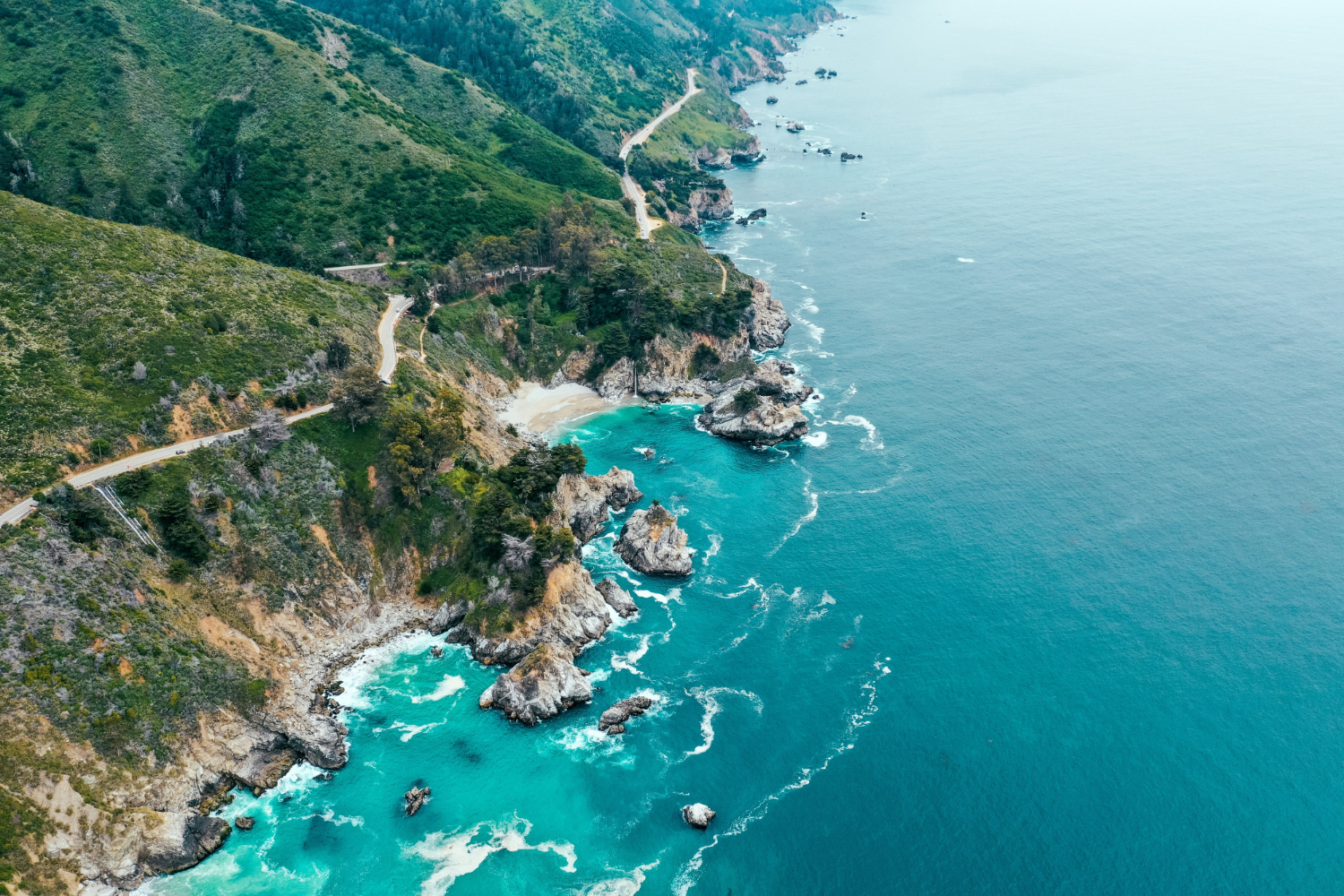
The Aeolian Islands are not only a spectacular natural destination in the Mediterranean, but also a place steeped in millennia of history. Visitors to this archipelago north of Sicily will encounter not only volcanoes and turquoise waters, but also traces of past cultures that have shaped the islands over thousands of years.
The islands were already of great importance in antiquity. Their name derives from Aeolus, the wind god who, according to Greek mythology, is said to have ruled here. This connection between nature and myth is still palpable today – especially on Stromboli, whose active volcano has always been considered a symbol of the earth's untamed power.
Archaeological finds show that the islands were already settled in the Bronze Age. Lipari, in particular, developed into an important center because obsidian – a volcanic glass – was mined there. This material was a valuable raw material in antiquity and was traded throughout the Mediterranean.
Over the centuries, the islands changed hands several times. Greeks, Romans, Byzantines, Arabs, and Normans all left their mark – on architecture, culture, and daily life. This diversity continues to make the Aeolian Islands a fascinating crossroads of different influences.
During the Middle Ages, the islands regained importance but were also repeatedly plagued by pirate raids. Particularly in the 16th century, attacks led to the abduction of parts of the population. Only gradually did life on the islands stabilize again.
Many of these historical layers can still be discovered today. In Lipari, the archaeological museum tells the story of the islands' long history. Ancient churches, fortresses, and small villages reflect the different eras.
But the history of the Aeolian Islands is inextricably linked to their natural environment. Volcanic activity has not only shaped the landscape but also influenced the lives of the people. Stromboli remains active to this day, and Vulcano, with its sulfur fields, is a reminder of the geological forces beneath the surface.
It is precisely this combination of nature and history that makes the islands so special. They are not a static travel destination, but a living place where past and present intertwine.
For travelers interested in culture, nature, and authentic experiences, the Aeolian Islands offer exceptional depth. They are not just something to see – they are something to understand.
The Aeolian Islands are more than just an archipelago.
They are a piece of Mediterranean history – written in stone, wind and fire.