The Arab traces in Sicily are among the most fascinating and profound legacies of the island's history. When the Arabs landed on the shores of Mazara del Vallo in 827, they brought with them not only armies and new laws, but above all a sophisticated culture full of science, art, and knowledge. Their presence, which lasted for over two centuries, transformed Sicily into a crossroads of civilizations, where East and West met and merged. Today, thanks to Group travel, which lead to the most beautiful places on the island, it is possible to relive this old atmosphere of encounter and exchange.
Traces of this era are still visible today. In the cities, architectural remnants and geometric ornamentation recall Islamic elegance. Palermo, which became the capital of the emirate, still preserves the city's Arabic character, with its narrow streets, lush gardens, and courtyards. The Arabic influence also lives on in the place names: Calatafimi, Caltanissetta, Marsala, all of which originate from Arabic words and tell the story of past rulers. Group travel in Sicily can discover these hidden treasures and understand how profound the influence of the Arabs was on the island.
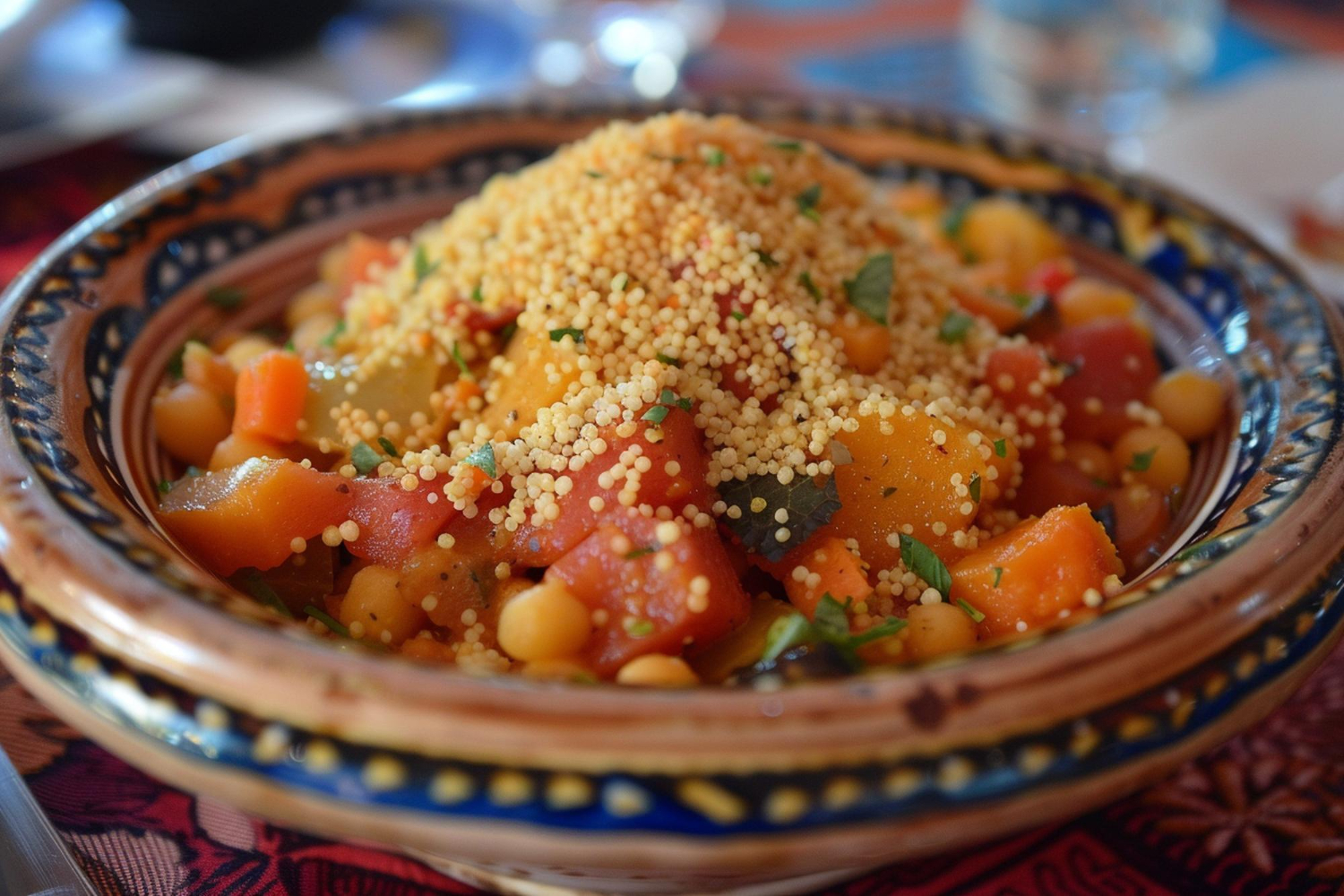
The Sicilian language is also rich in Arabic “traces”. Terms such as zibbibbu, càlia, gebbia oder azzizzatu recall how the language of the desert and Islam merged with the language of the islanders, leaving behind new sounds and meanings. Even in the cuisine, Arabic flavors live on: the couscous of Trapani, sweets with honey, almonds, and sugar, and the use of spices tell of a tradition that connects the Mediterranean. Group travel, which are focused on culinary culture, you can taste these ancient legacies that Sicily make it so unique.
The Arab traces are not only material or linguistic evidence, but also a spiritual legacy. The Arabs brought to Sicily a new way of thinking based on knowledge, tolerance, and the coexistence of different peoples. From this encounter emerged the extraordinary Arab-Norman culture, a symbol of harmony between cultures and religions.
Today, while strolling through the colorful markets of Palermo or admiring the mosaics of Monreale, one can still feel the breath of this ancient influence: the Arabic traces that continue to linger like a distant scent Sicily its unique and Mediterranean face.