
In Sicily November 2nd, the Day of the Dead, is one of the most important celebrations. It is a moment in which family, memory, and tradition are connected in a special way. Here, the Day of the Dead is not only a day to remember deceased relatives, but also an opportunity to maintain old customs and enjoy typical autumn sweets. The celebration of the dead in Sicily is not only a moment of reflection, but also an opportunity to bring families and communities together, sharing stories, sweets, and memories. In small villages, squares and streets come alive, and children, excited by the gifts and sweets, bring joy to this otherwise rather melancholy day.
The Sicilian All Saints' Day tradition demonstrates how commemorating the deceased can be transformed into a sweet and communal gesture, in which remembrance and culinary culture harmoniously blend. On All Saints' Day, Sicilian families visit cemeteries to lay flowers and light candles on the graves of their loved ones. In many towns and villages, there are accompanying religious ceremonies, such as special masses or processions. A unique sizilianischer It is customary for children to receive gifts from the “dead” – small sweets, dried fruits or small presents that convey joy rather than sadness.
Another important tradition is the preparation of typical sweets, which enrich this day not only with taste but also symbolically. These sweets are an expression of remembrance and affection.
Typical sweets for All Saints' Day
The Sicilian Sweets for celebrating the deceased are often made from simple yet nourishing ingredients such as almonds, honey, dried figs, and chocolate. Among the most popular are:
• Ossa di morto (Dead Bones): Biscuits in the shape of bones, made from ground almonds, sugar and egg whites, sometimes covered with icing.
• Pupi di zucchero (sugar figures): small sugar figures depicting children or saints, often given as gifts to children.
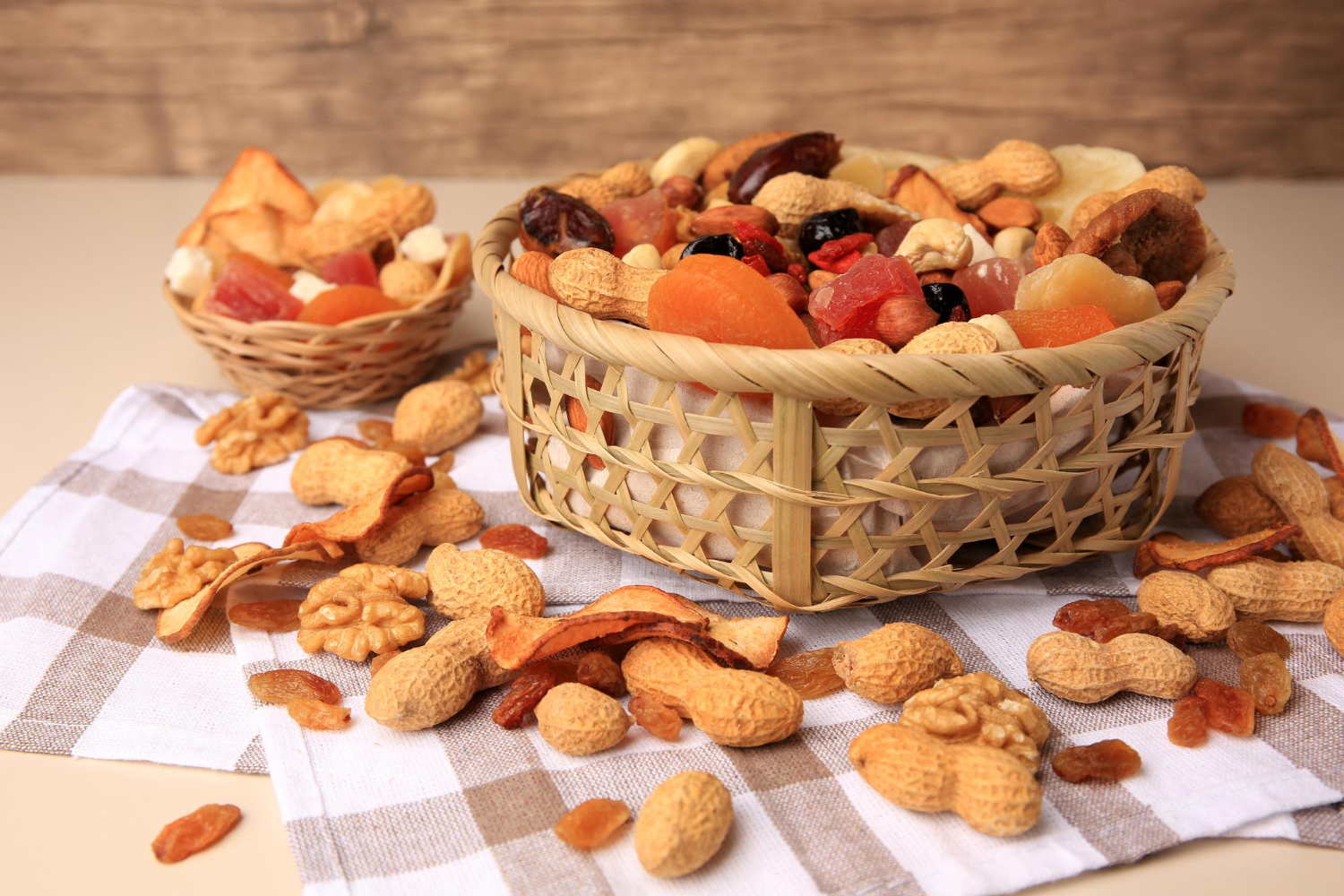
• Dried fruits and sweets: almonds, hazelnuts, figs and dates, sometimes covered in chocolate or colored sugar.
These sweets not only enrich family tables, but also serve as a link between generations and keep traditions and memories alive.