For centuries, Palermo was far more than just the capital of Sicily. The city developed into one of the most important cultural centers of the Mediterranean – a place where different peoples, religions, and traditions not only met but also influenced one another.
It is precisely this openness that makes Palermo so extraordinary to this day. While many European cities have historically been shaped by a single dominant culture, Palermo has developed an identity born of diversity. Arab, Norman, Byzantine, and later Spanish influences have combined to create a cityscape that is virtually unique in Europe.
Particularly during the Arab rule between the 9th and 11th centuries, Palermo experienced significant cultural and economic development. At that time, the city was considered one of the largest and most modern metropolises in Europe. New irrigation systems, gardens, and trade structures transformed not only the architecture but also social life.
The Norman conquest did not mark the complete replacement of this culture, but rather the beginning of an extraordinary period of cultural exchange. The Normans integrated Arab craftsmen, Byzantine artists, and diverse religious traditions into their rule. It was precisely from this that the Arab-Norman style emerged, which today is among the most significant cultural characteristics of Sicily.
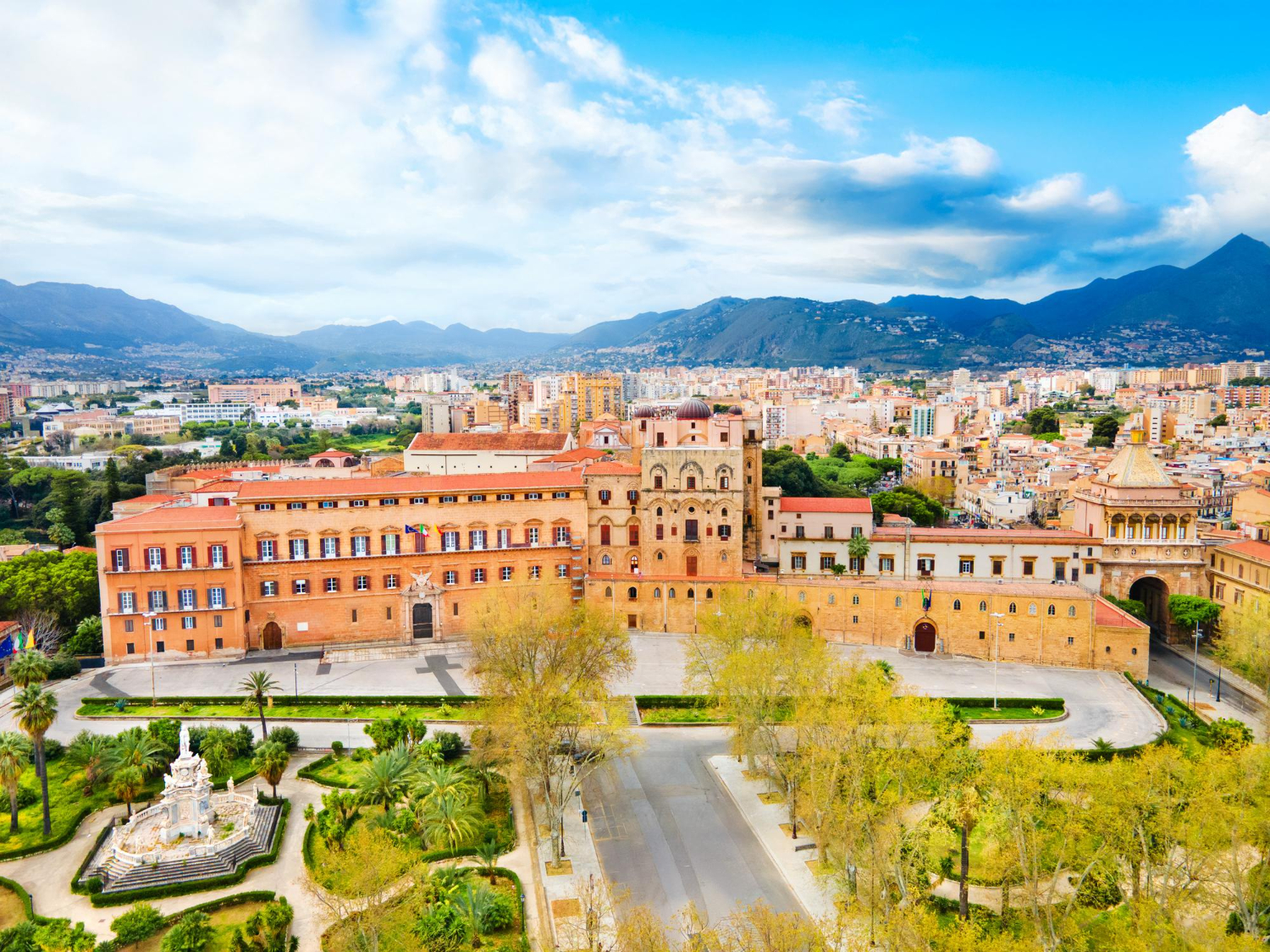
Anyone visiting Palermo today encounters this history at every turn. The Palatine Chapel combines Islamic ornamentation with Christian mosaics. The Palazzo dei Normanni demonstrates the political power of the Normans, while churches like San Giovanni degli Eremiti still reflect the oriental influence.
But Palermo's cultural diversity doesn't end with its architecture. Language, cuisine, and everyday life also bear traces of this history. Markets like Ballarò and Capo, with their colors, smells, and sounds, still evoke the city's Arab past.
Especially for travelers from German-speaking countries who want to experience Italy more intensely, Palermo offers an exceptional perspective. The city demonstrates that cultural identity is not created through exclusion, but through encounter and exchange.
Perhaps this is precisely where Palermo's special strength lies:
to be a city that has created its own unity from diversity.