
Many travelers first discover Palermo through its famous sights. But those who stay longer and consciously take their time quickly realize that the city's true identity often lies off the beaten track.
Palermo reveals itself most intensely in its neighborhoods, markets, small squares, and in the everyday encounters between residents. It is precisely there that the authenticity many travelers seek today is created.
The Kalsa district is one of the most impressive examples of this transformation. Once an aristocratic quarter, later neglected for a long time, the area is now slowly developing into a creative and cultural center. Small cafes, studios, and independent projects are springing up between historic facades, giving Palermo a new dynamism.
At the same time, everyday life remains present. Children play in small squares, elderly residents sit in front of their houses, and conversations arise spontaneously in the street. This proximity between public space and daily life is typical of Palermo.
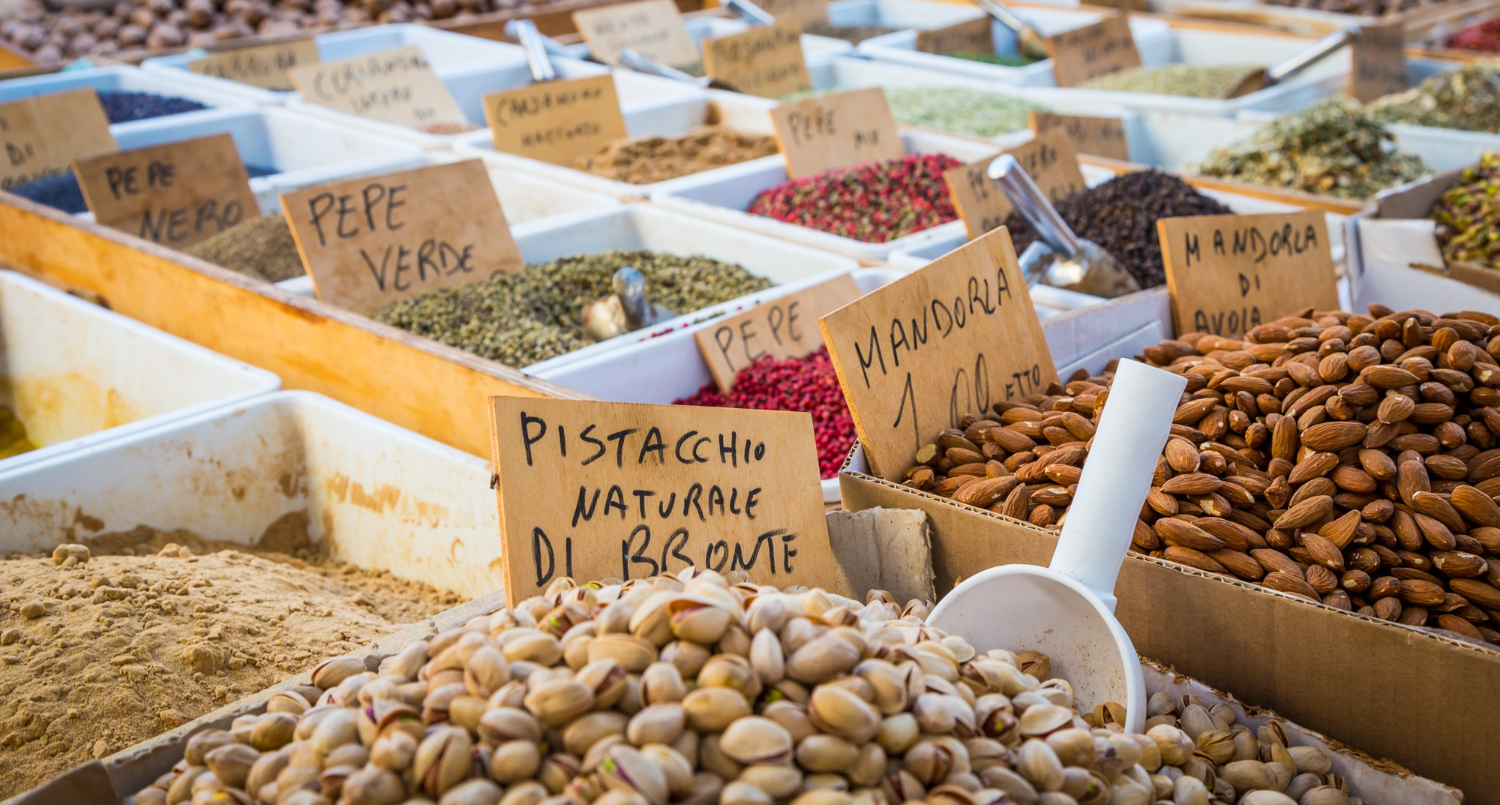
Ballarò has an even more immediate impact. This historic market is one of the oldest in the city and conveys a Palermo that is loud, direct, and unfiltered. Vendors hawk their wares, the air is filled with the aromas of spices and street food, and people move densely through the narrow alleyways. Here, you don't get a touristy impression – but a genuine feeling of the city.
The city's neighborhoods also reflect its culinary history. Arancini, panelle, and sfincione are not simply typical dishes, but rather integral parts of Palermo's urban identity. Here, eating is not an isolated activity, but an integral part of social life.
It is precisely this combination of everyday life, culture, and encounters that makes Palermo so fascinating for many travelers. The city demands attention and openness. Those who embrace it will experience not only sights, but a vibrant urban culture.
In the context of slow travel, this very form of travel is gaining increasing importance. It's not about consuming as many places as quickly as possible, but about consciously experiencing cities – with their contrasts, rhythms, and people.
Palermo shows that authentic travel often begins where you stop being just a tourist.