

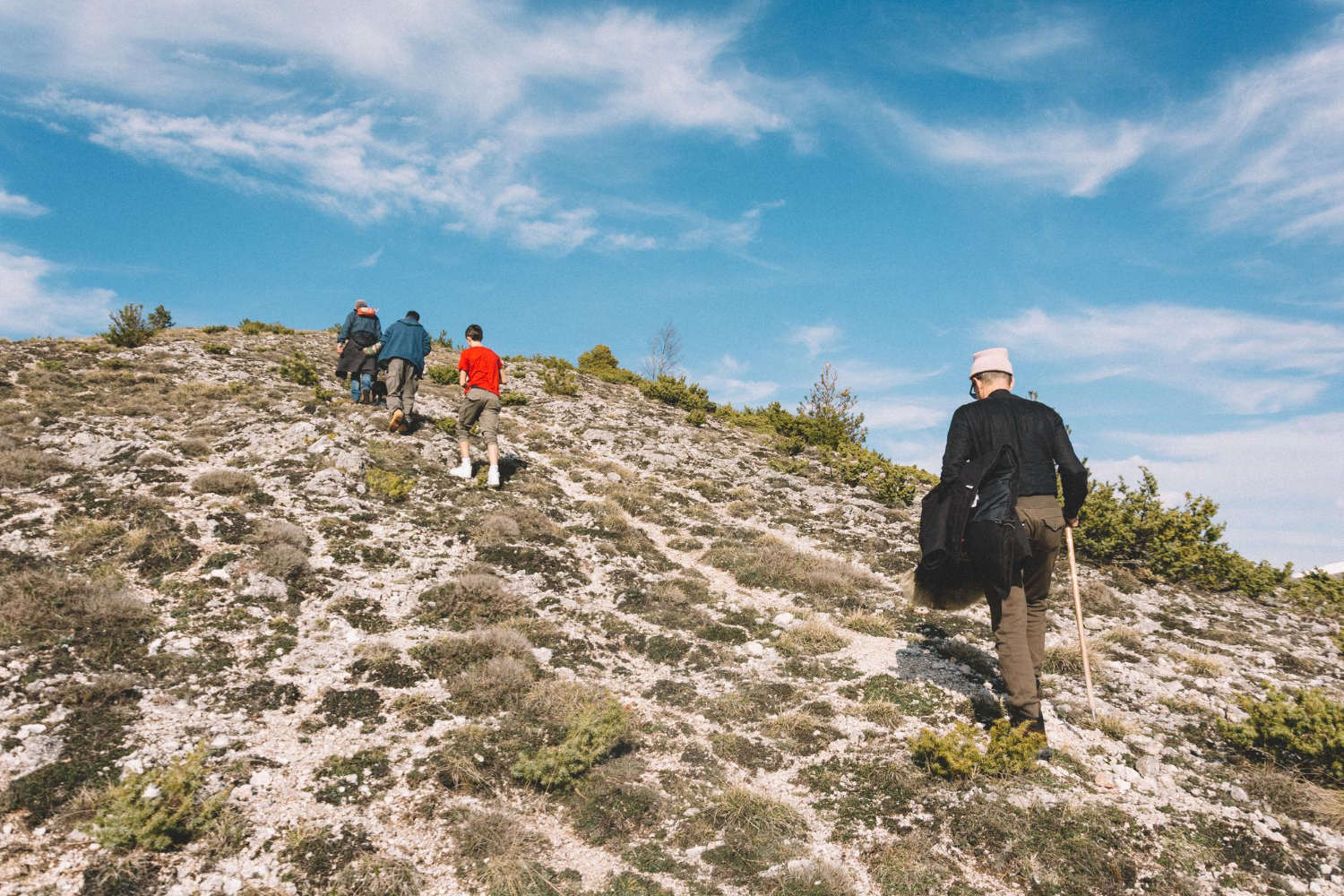
The Via Francigena in Sicily is still a hidden gem among European pilgrimage routes. Those who travel here experience an island far removed from the classic tourist routes – expansive landscapes, small villages, warm encounters, and a unique blend of history and modernity.
Especially for German travelers seeking a quieter alternative to the heavily frequented Camino de Santiago, a pilgrimage in Sicily offers an intense and personal experience. However, to truly make the journey an unforgettable experience, careful preparation is recommended.
A crucial factor is the time of year to travel. Sicily can get very hot in the height of summer, especially on open stretches through the island's interior. Spring and autumn are therefore ideal – from April to June and from September to November. During these months, the landscape is at its most beautiful: green hills in spring, warm light and clear horizons in autumn.
The stages of the Via Francigena Sicily, especially between Agrigento and Palermo, lead through rural regions with sometimes considerable distances between towns. It is advisable to plan daily stages realistically and always carry sufficient water. The paths are well-marked, but the infrastructure has been deliberately kept simple – this is precisely what makes this pilgrimage route in Sicily so authentic.
Choosing the right accommodation is also worthwhile. Small guesthouses, agriturismos, and family-run B&Bs characterize the route. Staying here not only offers personal hospitality but also supports the local economy – an important aspect of a sustainable holiday in Sicily.
The climate and terrain require attention. The landscape is varied, but often sunny and expansive. Good hiking boots, sun protection, and an early start are recommended. Those who adapt to the island's rhythm will find that walking feels more natural.
Linguistically, some basic Italian skills can be helpful. English isn't spoken everywhere, but this is precisely what leads to authentic encounters. A brief chat in the piazza or an exchange in a small village café are among the most precious moments of the trip. Slow Travel in Sizilien.
Culturally, the route is as fascinating as it is scenically. Norman architecture, Arabic influences, and Baroque elements accompany the journey. The arrival in Palermo – often the destination of the trip – is a particular highlight. The city uniquely combines history, markets, churches, and Mediterranean lifestyle.
The Via Francigena in Sicily is not a race. It doesn't demand peak athletic performance, but rather openness and time. Those who embrace this pace discover the island step by step – intensely, honestly, and far removed from superficial impressions.
For many, a pilgrimage in Sicily becomes more than just a hiking holiday. It becomes a journey of profound depth – carried by the rhythm of their steps and the unique character of the island.