

When people talk about the Via Francigena , many immediately think of Tuscany or the road to Rome. Less well-known – and precisely for that reason particularly fascinating – is the Via Francigena in Sicily.
After arriving in Rome, medieval pilgrims continued their journey, reaching the island by sea. From there, the route led to Palermo – a significant crossroads between Europe, Africa, and the Middle East. Today, this historic Pilgrimage route in Sicily is experiencing a quiet revival.
The Sicilian version of the Via Francigena differs significantly from the northern sections. Here, pilgrims encounter a landscape characterized by contrasts: volcanic regions, vast fields of grain, Mediterranean hills, and coastlines overlooking the Tyrrhenian Sea.
The route from Agrigento to Palermo is particularly scenic. It leads through the island's interior, past small villages, Norman churches, and agricultural regions. Those who wish to make a pilgrimage in Sicily here will experience an authentic southern Italy – far from the usual tourist crowds.
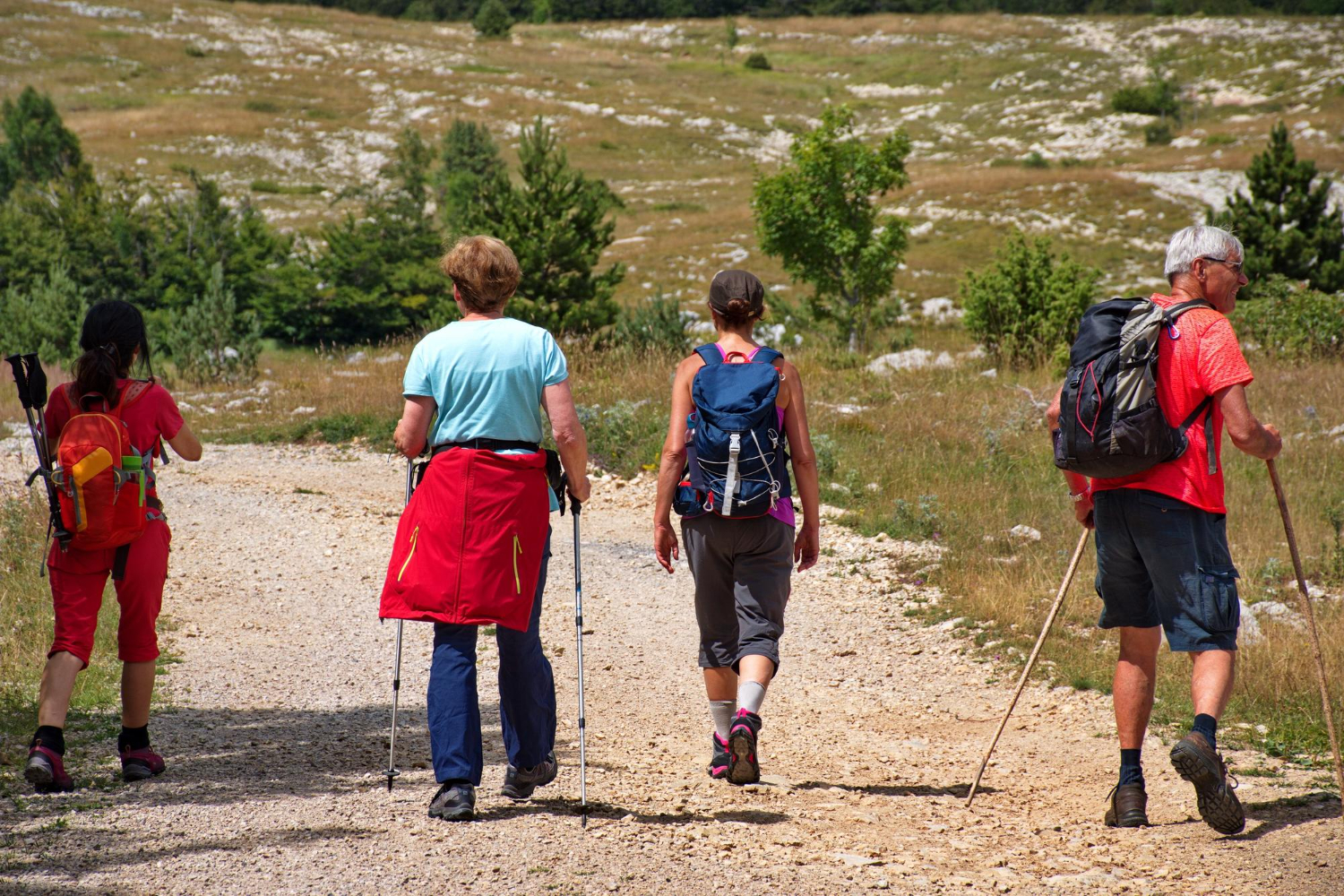
The Via Francigena Sicily is a prime example of slow travel in Sicily. The stages are peaceful, the encounters personal, and the accommodations often family-run. Regional cuisine with Sicilian specialties accompanies the route, making each stage a culinary highlight.
For many travelers from German-speaking countries, this is an exciting alternative: an active hiking holiday in Sicily that combines nature, culture, and history. At the same time, this type of travel supports local businesses and contributes to a sustainable holiday in Sicily.
The island demonstrates in a unique way what pilgrimage can mean: not just movement, but a change of perspective. Between Mount Etna, ancient temples, and medieval towns, it becomes clear how closely history and the present are intertwined here.
The Via Francigena in Sicily is less well known – and that is precisely what makes it so appealing.
It is an invitation to discover the island step by step. Intensely. Authentically. And with time.